How to Enhance Your Early Childhood Education Journey in Australia

Enhancing Teaching Techniques
Embracing Play-Based Learning
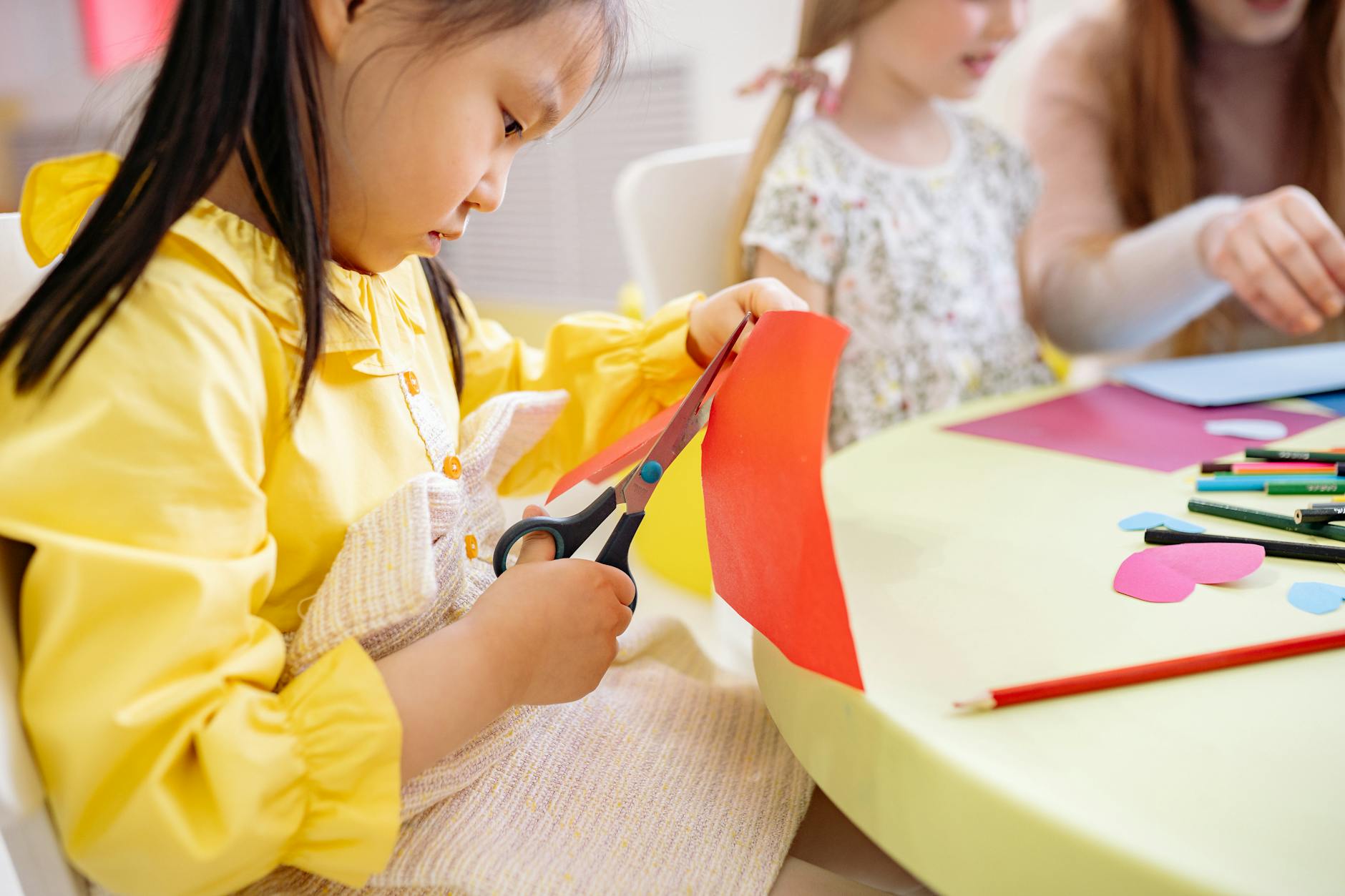
Having worked at an educational session at the South Bank Parklands recently, my interest in play-based learning was further enriched. Such methods are critical for nurturing creativity and curiosity among young learners. I incorporate various aspects of play in my lessons, allowing children to explore their world while developing essential skills. It's rewarding to see them learn through fun, interactive activities that provide a holistic educational experience.
Integrating Technology in Class
Incorporating technology in the classroom is not just about making lessons flashy; it’s about enhancing learning experiences. I have found that using tablets or interactive whiteboards engages children at a deeper level, providing a dynamic way to grasp concepts. However, it's crucial to integrate these tools thoughtfully to complement our play-based approach. By blending tech with traditional play, we can cater to various learning styles and foster a balanced educational environment.
Building Inclusive Environments
Creating an inclusive environment is paramount. Embracing diversity and ensuring every child feels valued requires continuous effort and innovation. In my practice, I've found that those armed with a certificate iv in mental health or a diploma of community services can significantly contribute to a supportive and inclusive classroom. These qualifications provide deeper insights into managing various emotional and social challenges young learners may face, enriching the educational journey for both educator and student.
Pursuing Further Education
Continuing education remains a cornerstone for many educators committed to early childhood innovation. I remember attending workshops at The Brisbane Powerhouse and feeling energised by the dynamic approaches shared there. Recognising the right educational pathway can be daunting yet rewarding. One essential certification to consider is a Cert 3 in Individual Support, which equips educators with fundamental knowledge for diverse learning environments. This qualification also supports educators who wish to broaden their capacity to understand and assist children with additional needs.
With the rise of digital learning, enrolling in online courses allows you to balance work and study effectively. These platforms offer flexibility and breadth, from modules focused on early childhood education principles to advanced strategies in play-based learning. I have found many online courses instrumental in refining my teaching techniques, ensuring I am offering high-quality and innovative lessons.
Lastly, actively connecting with alumni networks can provide invaluable support and insights. Networking with fellow graduates and educators can open doors to new opportunities and collaborative projects. Engaging with these communities often provides inspiration and practical advice, further enriching your educational journey. It's in these shared spaces that we can nurture our passion and continue to develop as educators, fostering creativity and growth in the children we teach, much like the enriching experiences fostered at events across Brisbane.
Building Professional Networks
Engaging Through Social Media
In the dynamic world of early childhood education, social media can be an incredible tool for expanding professional connections. I've found platforms like LinkedIn are essential in keeping up with trends and exchanging insights with fellow educators. It’s not just about networking; it's an avenue to engage with professionals and learn about new approaches that can enhance classroom experiences. Following educational influencers and participating in relevant groups helps stay updated with the latest innovations in child care courses.
Attending Educational Workshops
Nothing beats the stimulating environment of educational workshops when it comes to professional growth. Participating in sessions at places like South Bank Parklands not only enriches my knowledge but also provides a unique opportunity to share ideas with peers. Attending events hosted by community programs at the Queensland Museum has been beneficial, offering practical advice and solution-driven discussions in early childhood education.
Joining Professional Associations
Joining professional associations can bridge connections with like-minded individuals focused on early childhood education. These memberships allow access to resources and training programs that are invaluable for career advancement. Engaging with such communities broadens my perspective and fuels my passion for innovative teaching methods. This network also supports my aspiration to obtain a diploma in early childhood education, enabling me to formalize my skills and contribute positively to my work environment.
Expanding professional networks is vital for growth. The right connections can inspire new educational strategies and foster an environment of continuous learning and development.
Overcoming Resource Challenges
Utilizing Open Educational Resources
As an early childhood educator, I’ve discovered a treasure trove of open educational resources that can be incredibly useful in the classroom. These freely accessible materials help overcome budget constraints while maintaining the quality of education. Integrating resources like downloadable worksheets and interactive online activities can enhance lesson plans without the need for expensive textbooks or proprietary software. The diverse range of subjects covered by these resources allows educators to customise content to fit the unique needs of their students and keep the curriculum dynamic and engaging.
Collaborating with Local Communities
Strengthening ties with local communities can open doors to resources and opportunities otherwise beyond reach. By forming partnerships with nearby institutions, such as libraries or museums, educators can access educational materials and learning spaces that enrich children's experiences. Local organisations often offer workshops, which can promote professional growth and innovation. Exploring community services courses can also equip educators with skills to build strong, productive relationships with community partners, supporting shared educational initiatives.
Advocating for More Support
Advocacy for increased support often begins with awareness and communication about the specific needs of educators and their students. Expressing these needs to stakeholders, including parents and school boards, can foster understanding and lead to positive changes. Engaging with networks and professional associations can also amplify these voices, offering platforms to discuss challenges like the need for funding to support crucial programs, such as cert 3 childcare, and resources that address the gaps in early childhood education.
Avoiding Common Teaching Pitfalls
Neglecting Tailored Learning Approaches
It’s incredible how much progress we can witness when learning is catered to the unique needs of each child. During a workshop at The Brisbane Powerhouse, I once encountered a little boy who adored dinosaurs. By creating personal learning experiences grounded in his interests, we ignited a spark that led to astonishing engagement. Encouraging educators to integrate lessons tailored to individual passions is central to a successful learning program.
Disregarding Cultural Awareness
At one vibrant event in the South Bank Parklands, diverse cultures mingled harmoniously, reminding us of the importance of cultural appreciation in education. Ignoring the cultural background of students can inadvertently alienate them, stifling their learning journey. Embrace each child’s heritage by weaving their stories and cultural elements into the curriculum. It’s transformative to see students' eyes light up when they feel understood and represented in their learning environments.
Leaning on Conventional Techniques
The Queensland Museum’s community programs often highlight the importance of embracing innovative methods over traditional practices. Sticking solely to old-fashioned teaching methods can limit a child’s potential. For instance, the integration of interactive sessions and educational workshops expands young minds far beyond the confines of a conventional classroom. Diversifying approaches can weave wonder into everyday education, engaging and empowering both educators and students. By keeping our teaching methods fresh and dynamic, we create a fertile ground for lifelong learning and development.